



Package and dock scan
Define the exact task and user role before selecting the device family.
Challenge 01

 16/17F, Emdoor Building, No.8 Guangke 1st Road, Pingshan District, Shenzhen


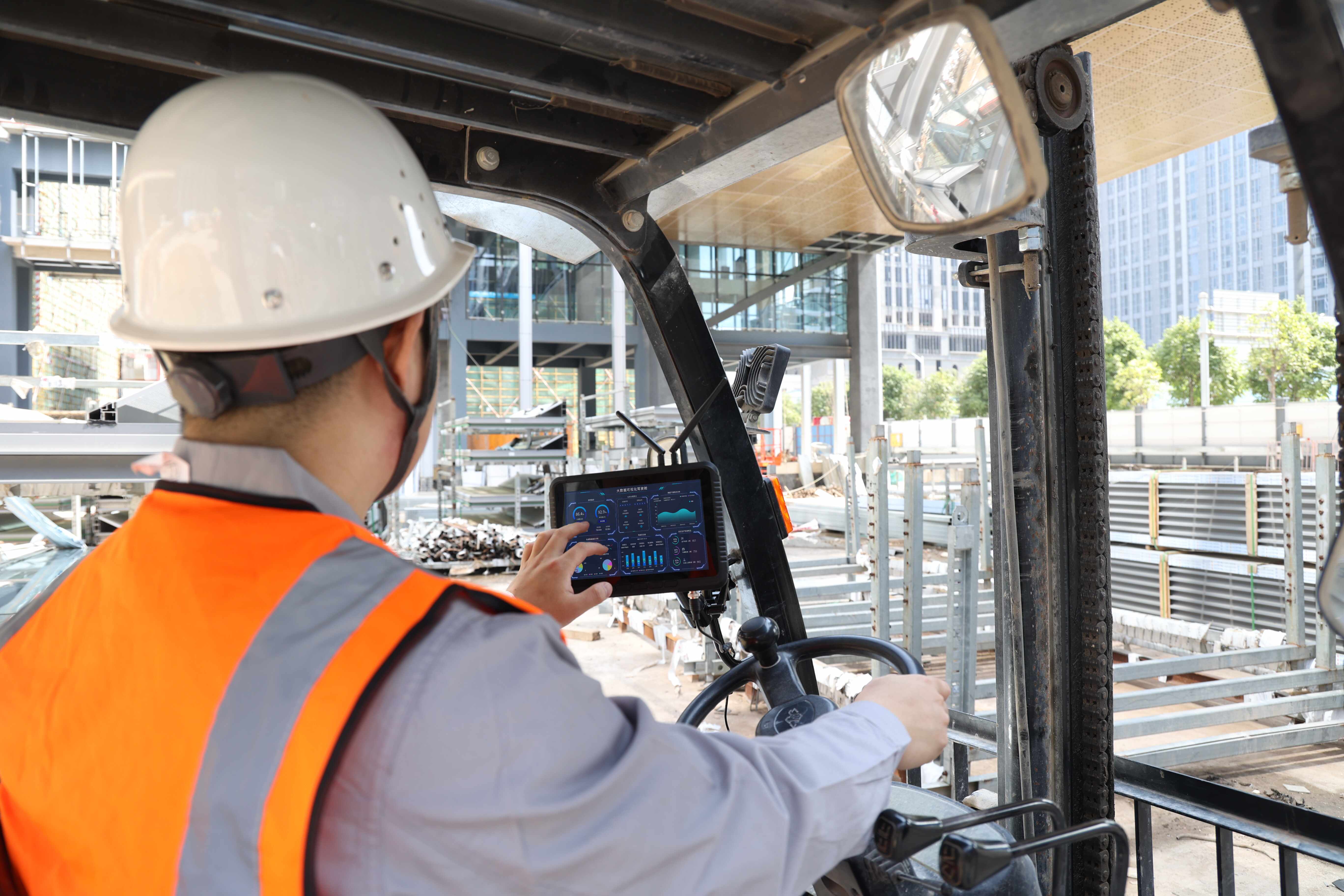
Emdoor leverages barcodes and RFID to fully digitize logistics. Its rugged handhelds streamline pickup and delivery, tracking vehicles, people, and goods. Real time data on each step is sent to the platform, enabling smart, transparent management.
Loading and unloading work often combines parcel scan, weight or volume check, vehicle assignment, handover timing, and abnormal cargo handling.
Define the exact task and user role before selecting the device family.
Challenge 01Match capture method, screen, wireless, and accessories to the work point.
Challenge 02Keep the captured record connected to the business system that needs it.
Challenge 03Plan charging, mounting, packaging, rollout, and support so the workflow can repeat.
Challenge 04Define how packages are scanned, grouped, loaded, checked against vehicle or route, and synchronized to logistics or warehouse systems.
Work conditions guide the shortlist before model selection.
Hardware, software behavior, and accessories should be reviewed together.
The approved configuration should be repeatable after sample validation.
Rugged handhelds can help workers scan barcodes, update package status, trace GPS or operator records, and flag abnormal cargo before dispatch.

Use rugged devices to capture real loading/unloading management work at the point where the task happens.
Move status, scan, inspection, or location data into the business system without waiting for paper records.
Make damage, mismatch, route change, missed scan, or abnormal work visible early enough for review.
Keep device choice, accessories, software image, packaging, and support repeatable after approval.
Barcode/RFID capture, WMS visibility, dock-side handoff, inventory accuracy, and mobile confirmation should be reviewed as one operating system before quotation.
Review screen, protection, input method, operating system, carry, or mounting direction.
Terminal layerMatch barcode, camera, NFC, RFID, GNSS, or sensor requirements to the task.
Input layerPlan Wi-Fi, LTE, Bluetooth, GNSS, docks, interfaces, and offline behavior.
System layerConfirm accessories, software image, packaging, documentation, support, and repeat delivery.
Lifecycle layerThe loading workflow should make package status, vehicle handoff, operator action, and exception processing clear before the shipment leaves.
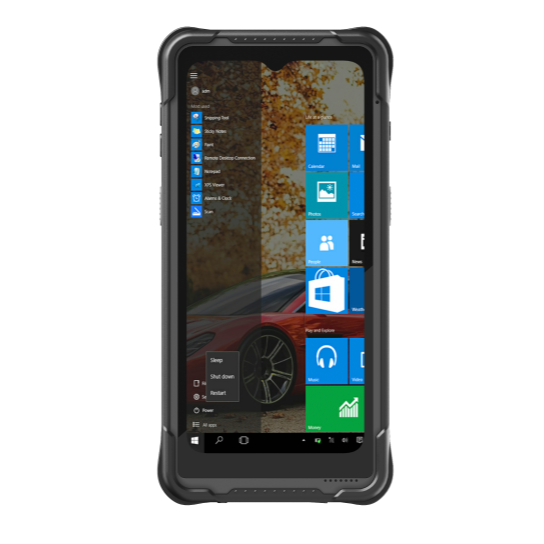
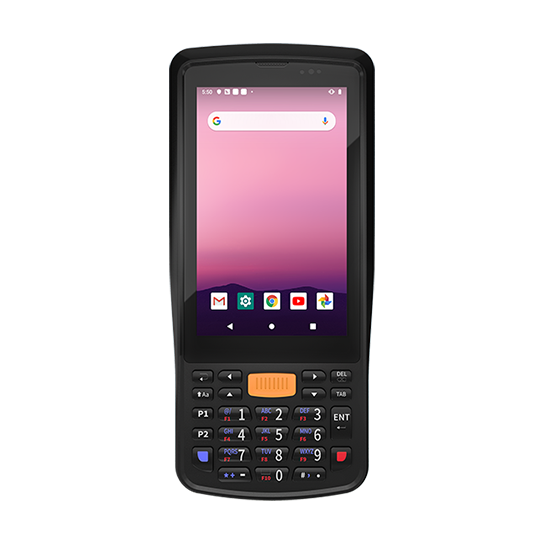
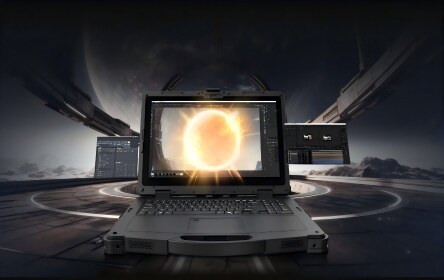
Review product directions that support Loading/Unloading Management: model family, OS, capture method, mounting, accessories, and configuration scope.
Explore deployment references connected to Warehouse Management so buyers can see how rugged devices are used in comparable operating conditions.

In the past two years, with the increasing awareness of corporate brand marketing, the number of chain stores of most brands has grown rapidly, ranging from hundreds to three or four thousand, which has become a development trend. In the market environment...
View case ↗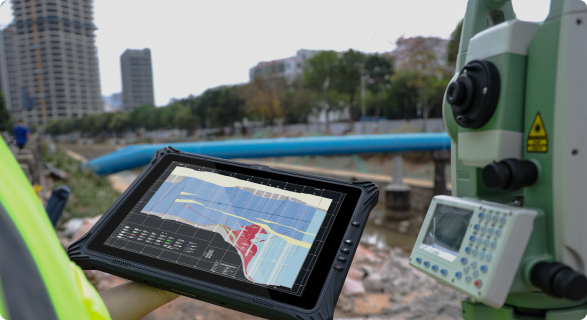
As industries continue to evolve, the need for durable, reliable, and high-performance mobile devices grows in tandem. The EM-T89, an 8-inch lightweight rugged tablet from Emdoor, is a testament to cutting-edge ...
View case ↗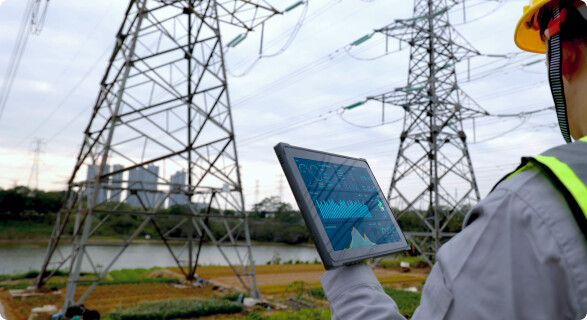
As industries continue to evolve, the need for durable, reliable, and high-performance mobile devices grows in tandem. The EM-T89, an 8-inch lightweight rugged tablet from Emdoor, is a testament to cutting-edge ...
View case ↗Read planning articles that help evaluate Warehouse Management device selection, software behavior, accessories, and validation requirements.
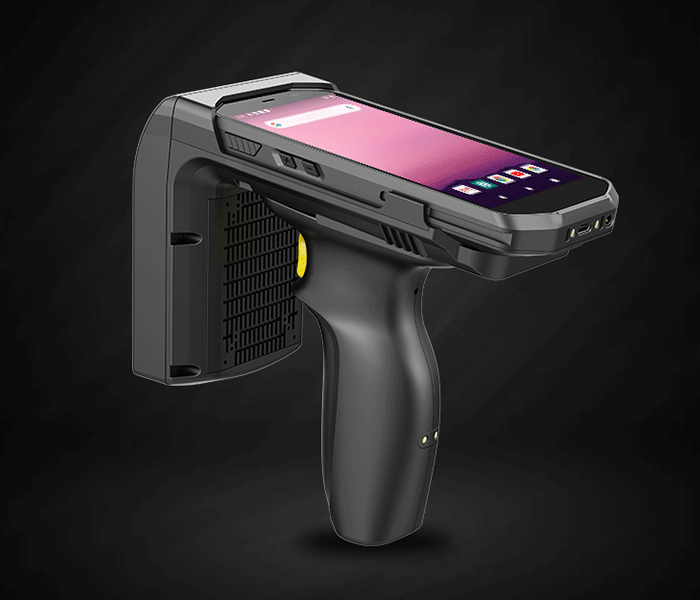
With the increasing market competition, it is of utmost importance for enterprises to improve production efficiency and reduce operating costs. Warehousing and logistics management are now widely used in various industries.
Read more ↗
Rugged tablet PCs are playing an increasingly important role in the logistics industry. Due to the continuous demand for fast and accurate delivery, most enterprises will choose cost-effective equipme...
Read more ↗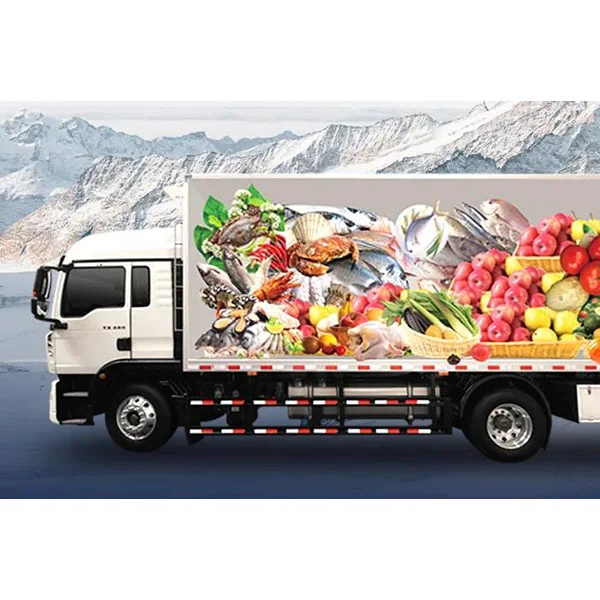
With the improvement of people's consumption concept and level, the demand for fresh products continues to grow so that the cold chain logistics industry can develop rapidly.Fresh products need to...
Read more ↗The same industry scenario can require different device modules, software policies, accessories, packaging, documentation, and validation steps. Customization keeps those decisions connected before quotation.
Emdoor can review the work environment, user role, operating system, data capture method, connectivity, mounting or carry method, accessories, quantity, delivery market, and timeline to define a practical device direction.
Get a solution recommendationThese answers help define the operating scene, device direction, and project scope for Loading/Unloading Management.
Share the exact workflow and system environment before model selection.
Hardware, software, and accessories should be reviewed as one working system.
Configured projects should be reviewed before quotation or sample approval.
Related products are a starting point, not the final project configuration.