



Pick verification
Define the exact task and user role before selecting the device family.
Challenge 01 16/17F, Emdoor Building, No.8 Guangke 1st Road, Pingshan District, Shenzhen

 16/17F, Emdoor Building, No.8 Guangke 1st Road, Pingshan District, Shenzhen


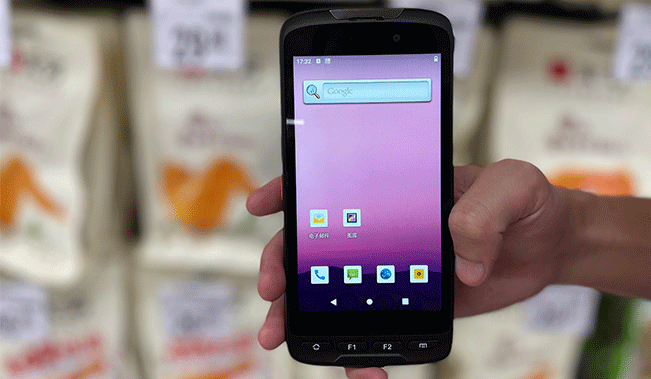
Emdoor INFO's rugged handheld terminals and tablet pcs instead of traditional manual operations help enterprises easily realize digital and transparent management.
Operators need to verify SKU, quantity, package, loading order, and carrier handoff without relying on delayed paper records or repeated manual checks.
Define the exact task and user role before selecting the device family.
Challenge 01Match capture method, screen, wireless, and accessories to the work point.
Challenge 02Keep the captured record connected to the business system that needs it.
Challenge 03Plan charging, mounting, packaging, rollout, and support so the workflow can repeat.
Challenge 04Define how orders are picked, scanned, packed, staged, loaded, and confirmed in WMS or ERP before selecting the terminal and accessories.
Work conditions guide the shortlist before model selection.
Hardware, software behavior, and accessories should be reviewed together.
The approved configuration should be repeatable after sample validation.
Rugged devices should support pick verification, package scan, loading confirmation, and exception reporting while workers move between shelves and docks.

Use rugged devices to capture real outbound management of warehouse industry work at the point where the task happens.
Move status, scan, inspection, or location data into the business system without waiting for paper records.
Make damage, mismatch, route change, missed scan, or abnormal work visible early enough for review.
Keep device choice, accessories, software image, packaging, and support repeatable after approval.
Barcode/RFID capture, WMS visibility, dock-side handoff, inventory accuracy, and mobile confirmation should be reviewed as one operating system before quotation.
Review screen, protection, input method, operating system, carry, or mounting direction.
Terminal layerMatch barcode, camera, NFC, RFID, GNSS, or sensor requirements to the task.
Input layerPlan Wi-Fi, LTE, Bluetooth, GNSS, docks, interfaces, and offline behavior.
System layerConfirm accessories, software image, packaging, documentation, support, and repeat delivery.
Lifecycle layerOutbound mobility should reduce wrong shipments, missed scans, and unclear carrier handoff records.
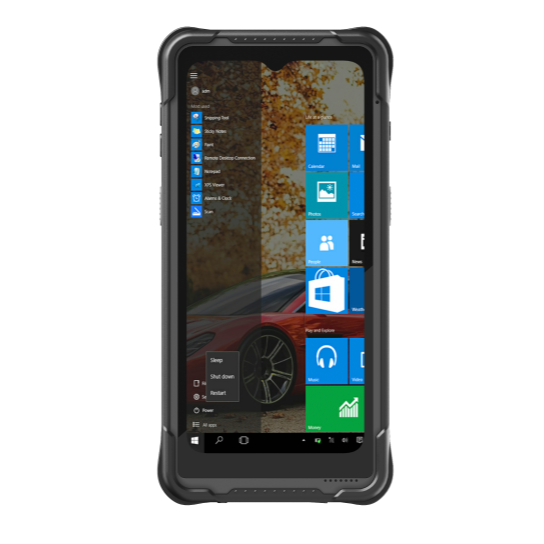
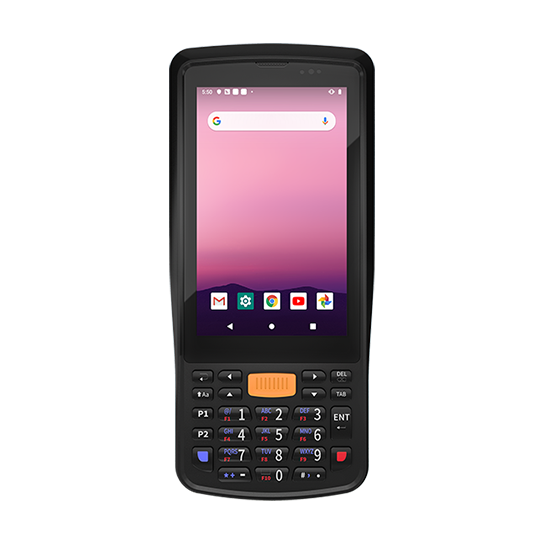
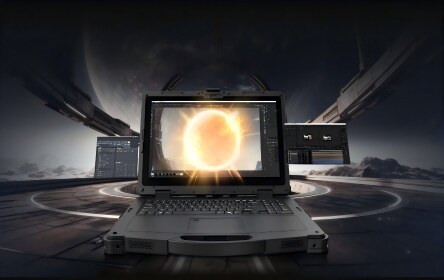
Review product directions that support Outbound Management of Warehouse Industry: model family, OS, capture method, mounting, accessories, and configuration scope.
Explore deployment references connected to Warehouse Management so buyers can see how rugged devices are used in comparable operating conditions.
The same industry scenario can require different device modules, software policies, accessories, packaging, documentation, and validation steps. Customization keeps those decisions connected before quotation.
Emdoor can review the work environment, user role, operating system, data capture method, connectivity, mounting or carry method, accessories, quantity, delivery market, and timeline to define a practical device direction.
Get a solution recommendationThese answers help define the operating scene, device direction, and project scope for Outbound Management of Warehouse Industry.
Share the exact workflow and system environment before model selection.
Hardware, software, and accessories should be reviewed as one working system.
Configured projects should be reviewed before quotation or sample approval.
Related products are a starting point, not the final project configuration.