



Emdoor Celebrates 18 Years of Rugged Computing Innovation
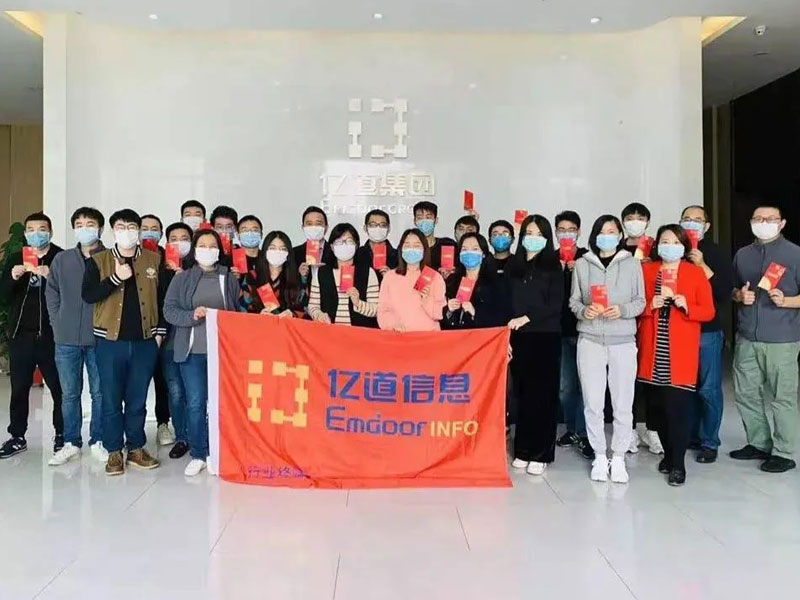
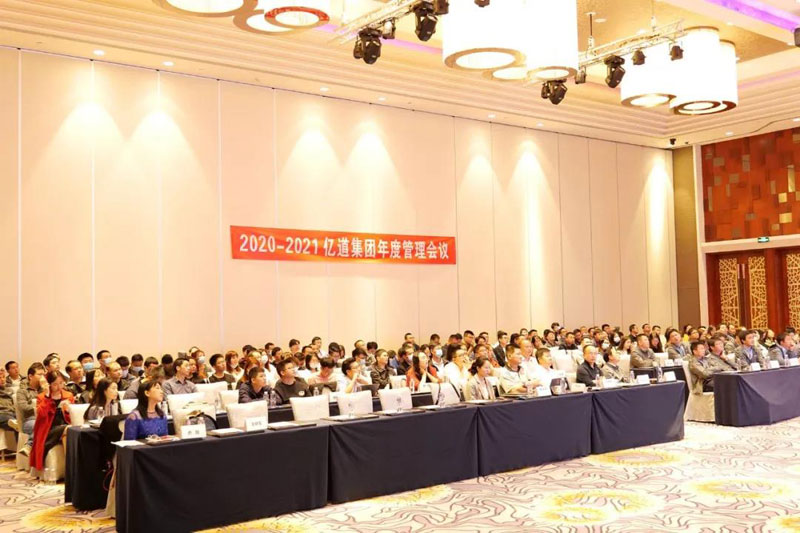
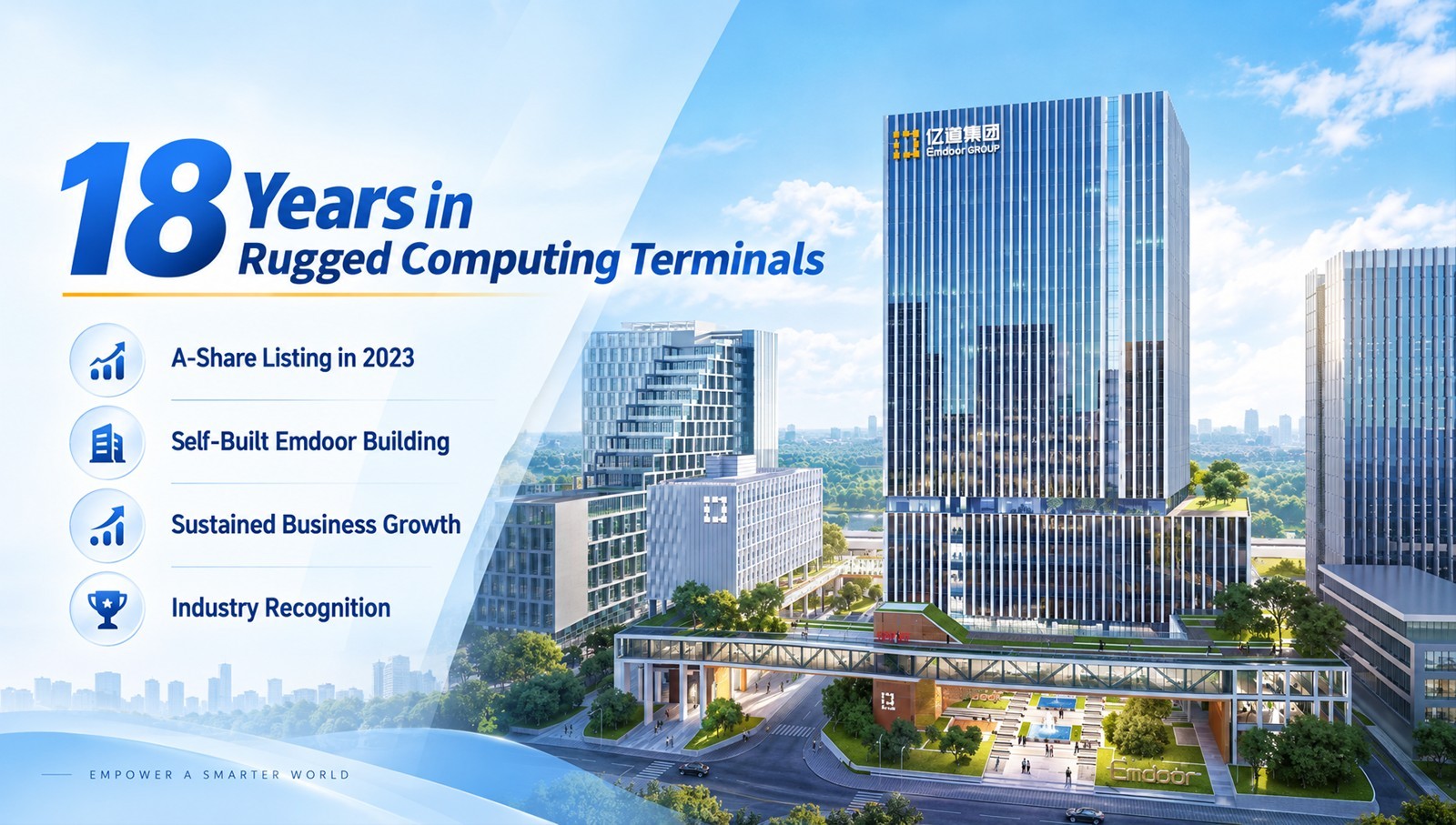
SHENZHEN, China — Emdoor Information marks 18 years in rugged computing in 2026. Founded in 2008, the company has developed an integrated operating model that connects product research and development, manufacturing, supply chain management and lifecycle services. For industrial customers, that continuity matters throughout a project: when selecting a platform, adapting it to a workflow, preparing a rollout and supporting devices in service.
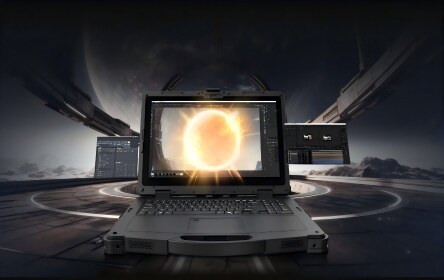
Emdoor’s rugged tablets, rugged laptops, handheld terminals and other industrial computers serve applications across public utilities, intelligent manufacturing, warehousing, transportation and energy. Its customers and partners span North America, Latin America, Europe and Asia-Pacific. The anniversary provides an opportunity to examine the capabilities behind those deployments, beyond the specifications of any individual device.
1. Connecting engineering decisions with production
Rugged computing projects bring together mechanical protection, electronics, operating systems and application software. A change to a connector, enclosure or peripheral can affect testing, assembly and field service. Keeping these disciplines connected helps engineering teams evaluate those interactions earlier in development.
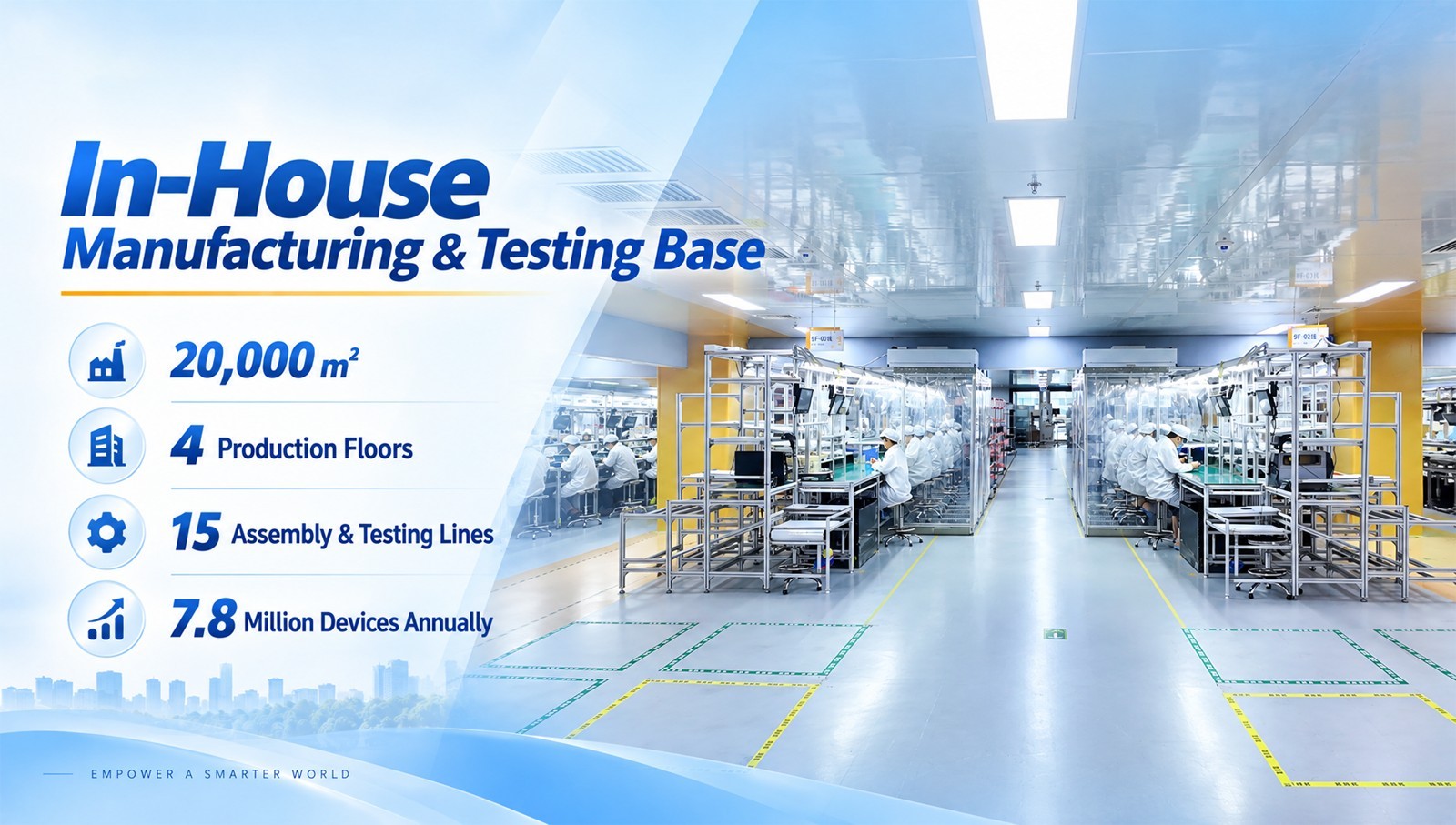
Emdoor’s in-house development covers industrial design, structural engineering, hardware architecture, software integration and validation testing. Its self-built Emdoor Building brings corporate offices, R&D and a 20,000-square-meter intelligent manufacturing base together. The facility includes four production floors and 15 integrated assembly and testing lines, with a stated annual production capacity of 7.8 million devices across the manufacturing operation.
This proximity supports design validation and the transition from a working sample to a repeatable production configuration. Manufacturing Execution Systems provide process traceability, while automation, including AI-assisted visual inspection, supports production quality control.
2. Validating devices for the environments they enter
Reliability depends on testing a device against the conditions of its intended use. Emdoor’s reliability testing base includes dedicated capabilities for water resistance, drop testing, environmental simulation and mechanical durability, backed by investment of tens of millions of RMB.
Testing against applicable IP ratings and MIL-STD-810 methods forms part of product validation. The relevant rating, test method and configuration should be checked for the selected model and project. A device used beside a production line, a terminal mounted in a vehicle and a tablet carried outdoors may have different requirements even when they belong to the same rugged computing portfolio.
For project teams, the practical step is to connect the operating environment with the required validation evidence. Temperature, vibration, moisture, mounting and peripheral connections should be considered alongside processor, memory and display specifications.
3. Planning supply around the rollout
Deployment schedules also depend on component availability and a stable hardware configuration. Emdoor works with technology partners including Intel, Qualcomm and Rockchip, and coordinates component procurement through a centralized supply chain management center. Strategic inventory and dynamic safety stock help it plan around changes in the availability of key materials, including memory and storage.
The company reports a rolling finished-goods inventory valued at approximately RMB 120 million. Its stated delivery windows are one to three days for standard configurations and seven to thirty days for customized units. These are indicative windows; the actual schedule depends on the selected configuration, inventory, customization scope, order quantity and destination, and should be confirmed for each order.
For customers and distribution partners, early agreement on the bill of materials and forecast volumes can help align procurement with pilot testing and phased deployment. The aim is to support an executable project schedule, with clear visibility into configuration and supply requirements.
4. Adapting a broad portfolio to specific workflows
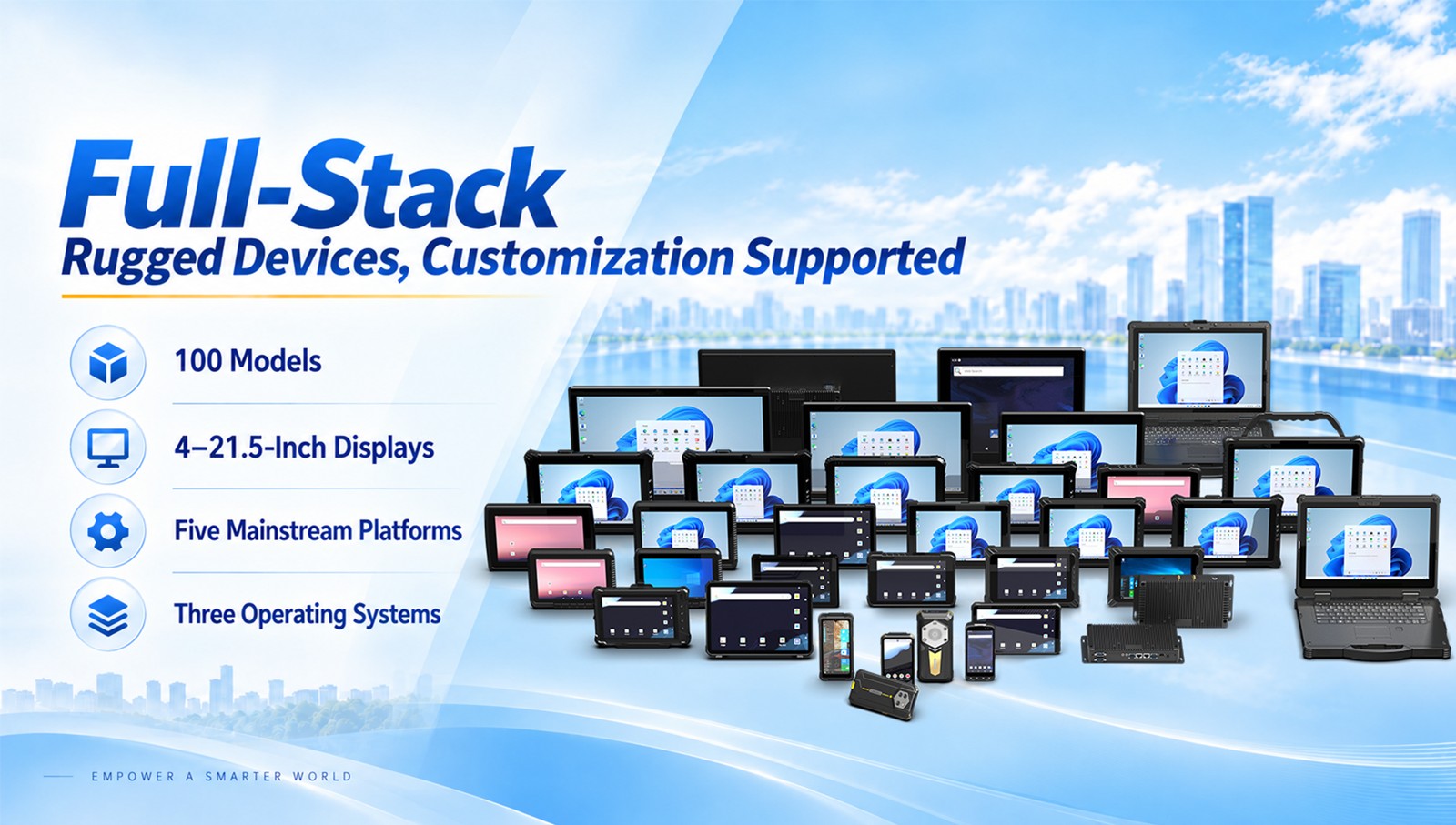
Emdoor’s portfolio spans rugged handhelds, tablets and laptops, vehicle-mounted computers and industrial panel PCs, with display sizes from 4 to 21.5 inches. The company supports Intel, AMD, Qualcomm, MediaTek and Rockchip platforms, with Windows, Android and Linux options across the portfolio. Nearly 100 models are in active production, offering a starting point for applications such as quality inspection, intelligent patrol, mobile data collection and edge computing.
Platform and operating system availability vary by model. Emdoor’s customization services extend from hardware and software configuration to structural redesign, allowing project teams to assess how the terminal will connect with existing equipment and enterprise applications.
Software capabilities available across supported devices include physical key remapping, kiosk mode and system controls. Mobile Device Management tools support fleet deployment, batch configuration and remote administration. SDKs and APIs for supported modules, such as barcode scanners, help developers connect device functions with their applications.
Certifications and approvals across the portfolio include CCC, CE, FCC, RoHS, GMS and UN38.3, alongside options for specialized applications. Their applicability depends on the product, platform, battery and target market. Customers should confirm the documentation required for their chosen configuration rather than assume every approval applies to every model.
5. Investing in development and long-term cooperation
Emdoor Information has been listed on the Shenzhen Stock Exchange since 2023 under stock code 001314. For 2025, the company reported total revenue of RMB 4.583 billion, an increase of 44.15% year over year. These figures describe the listed company’s overall business, rather than rugged computing revenue alone.
R&D personnel account for more than 40% of the workforce. The company reports cumulative R&D investment of RMB 964 million over the past five years, with a compound annual growth rate of 15.9%. That investment supports work across product platforms, engineering disciplines and software integration.
For industrial customers, continued development is relevant to both new projects and changes to existing workflows. It provides a basis for discussing platform choices, customization feasibility and future product requirements with an engineering partner.
6. Supporting devices after deployment
Industrial computing projects may be planned around operating lifecycles of five to ten years. That planning horizon makes service arrangements, maintenance skills and communication channels important parts of device selection. It does not mean that every model has the same guaranteed availability or support period; those terms should be agreed for the project.
Emdoor provides repair services in Hong Kong and technical assistance through its hotline, email, official social channels and online support system. Issue tracking supports continuity from initial submission through resolution. Maintenance training helps customer engineering teams handle routine device management, while follow-up and satisfaction surveys feed field experience back into product and service development.
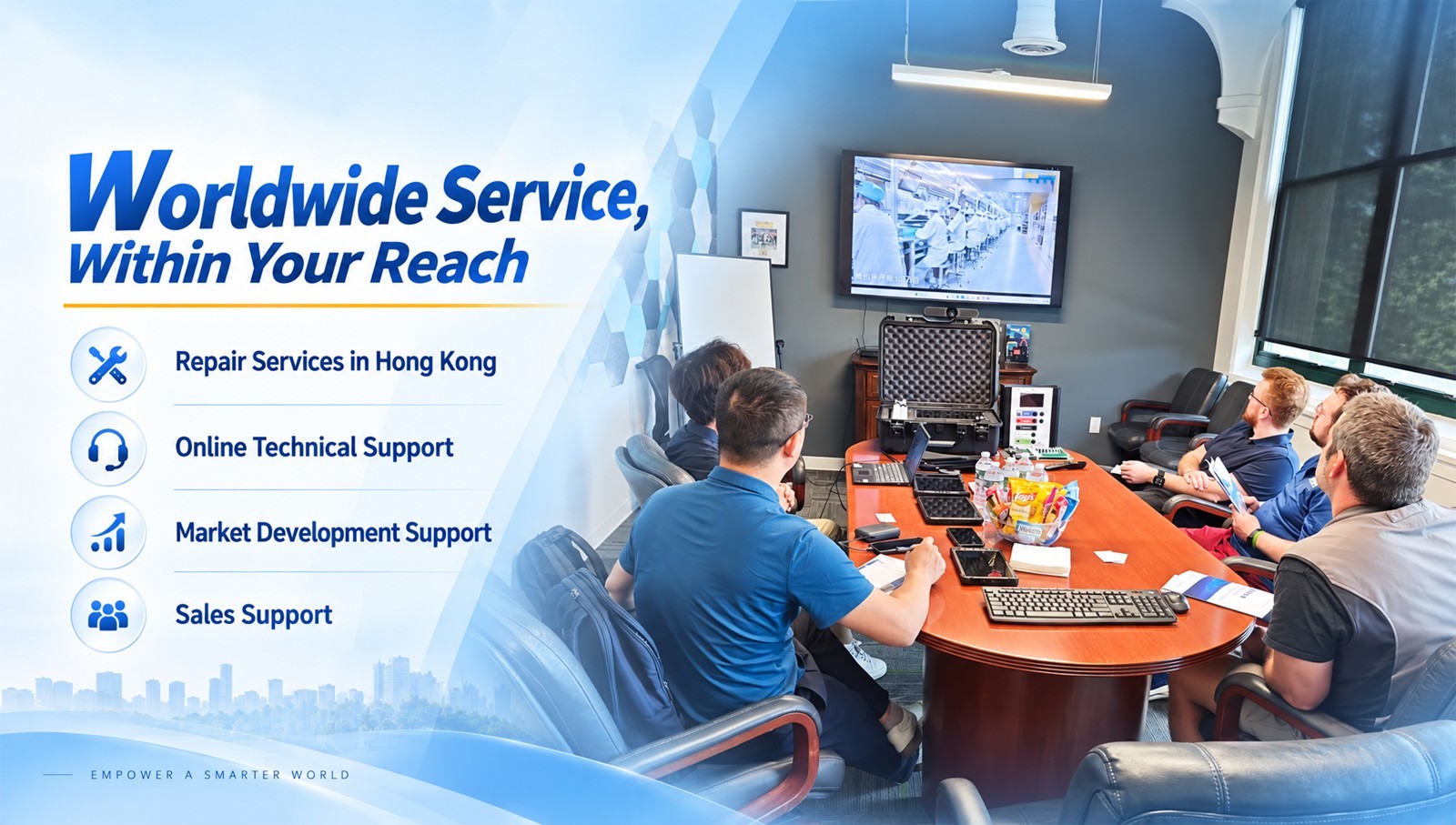
Channel partners can also access support for market development, product training and trade shows. Project registration, inventory allocation and other sales support arrangements help partners coordinate opportunities and delivery requirements with Emdoor.
7. Building the next stage of rugged computing
After 18 years, Emdoor’s focus remains on connecting the device with the complete deployment: engineering, manufacturing, software, supply and service. Its integrated capabilities give customers a framework for evaluating how a rugged computing project will be developed and supported, as well as which terminal it will use.
Organizations planning a new rollout can begin with the workflow, operating environment, application stack, required interfaces and expected deployment volume. These requirements help Emdoor’s teams identify a suitable standard platform or define a customization path.
Contact Emdoor to discuss a rugged computing project, or learn more about Emdoor Information.
About Emdoor Information
Emdoor Information (SZ: 001314) provides rugged mobile computing devices and customized solutions for industrial customers worldwide. Its portfolio includes rugged handhelds, rugged tablets, rugged laptops, vehicle computers and industrial panel PCs.
Media and project inquiries
Email: marketing.info@emdoor.com
WhatsApp: +86 137 2035 6146
Tel: +86 400 830 4882