

Emdoor Group Brings Partners Together at 2026 Cloud Computing Ecosystem Conference
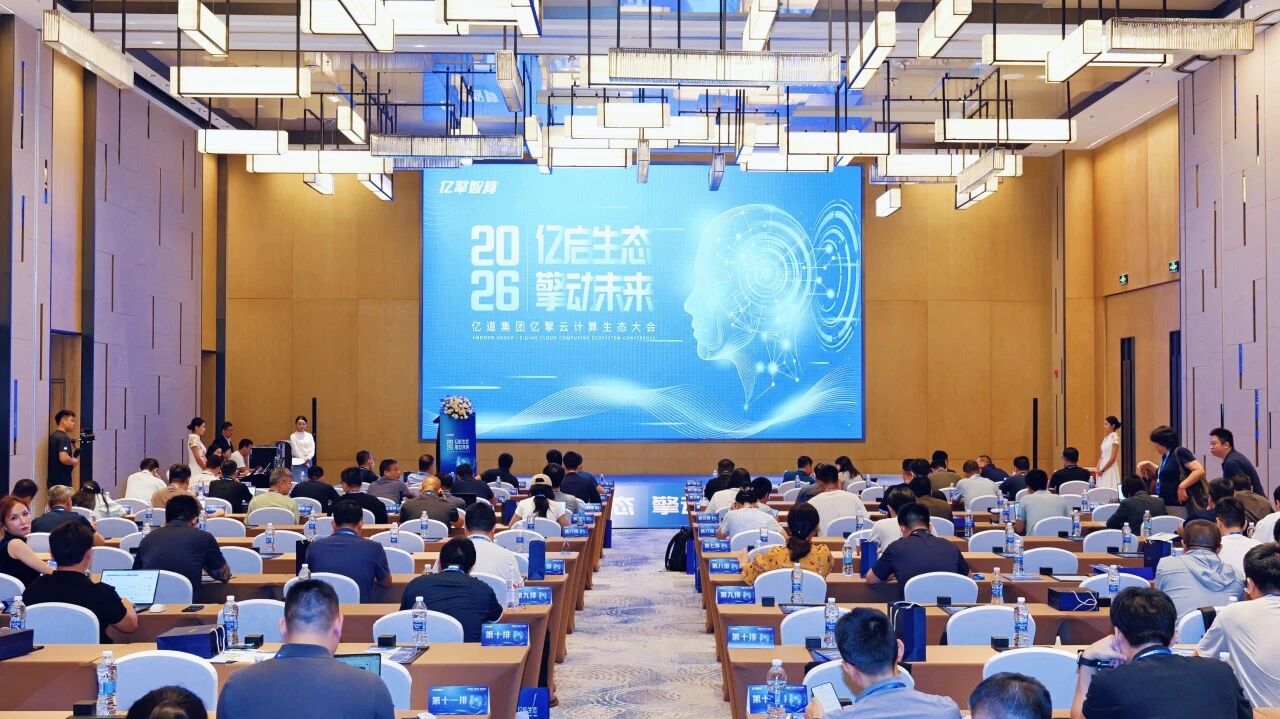
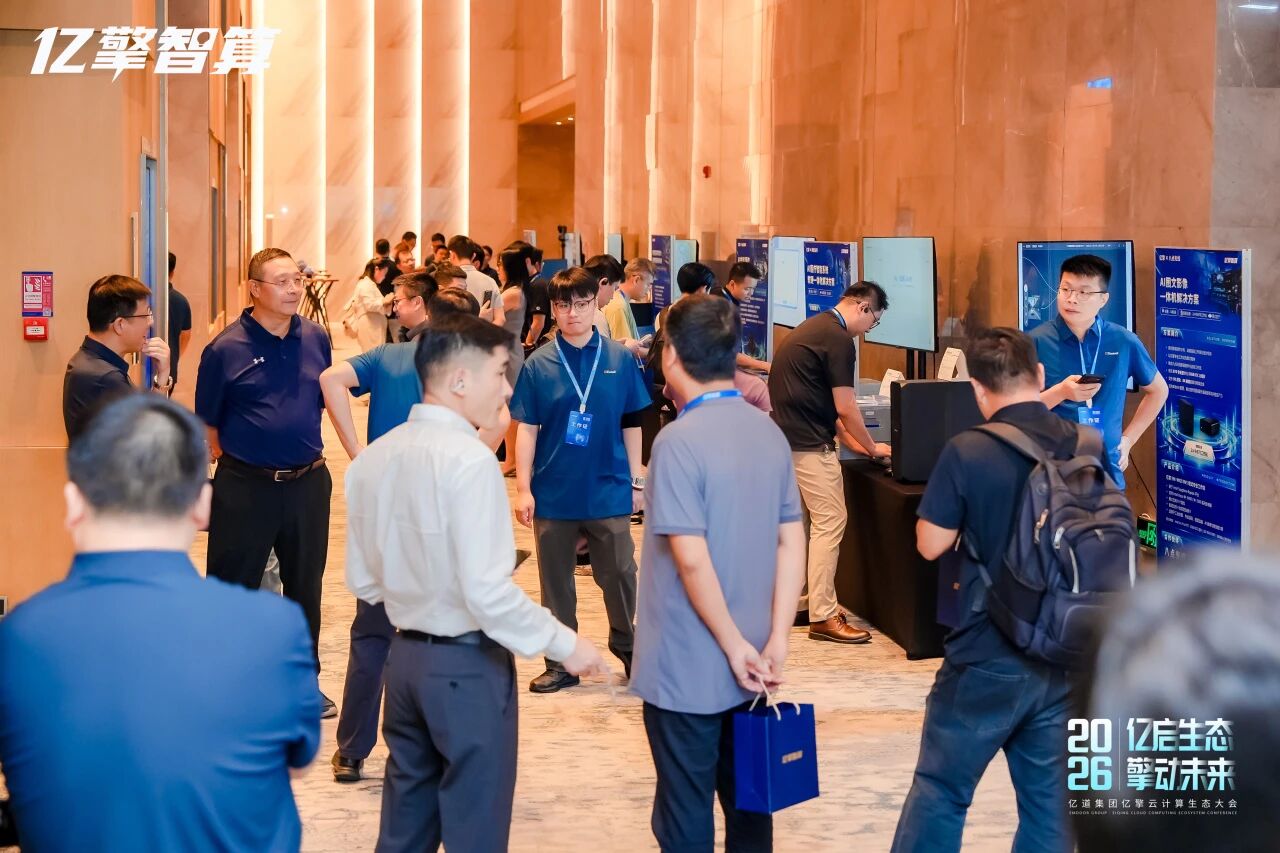
On November 4, 2026, Shenzhen Yiqing Cloud Computing Technology Co., Ltd., an Emdoor Group company operating under the Yiqing Intelligent Computing brand, hosted the 2026 Cloud Computing Ecosystem Conference at Courtyard by Marriott Shenzhen Bay.
Under the theme “Building an Ecosystem, Powering the Future,” the event brought together technology experts, industry leaders and partners from semiconductors, cloud computing, intelligent manufacturing, education, healthcare and AI storage. Together, they explored the computing infrastructure and partnerships needed to bring agentic AI into practical use.
- A cloud–edge–device architecture and a computing product portfolio spanning servers, workstations and edge devices.
- Partner presentations covering chips, manufacturing, education, healthcare, intelligent agents, meetings and AI storage.
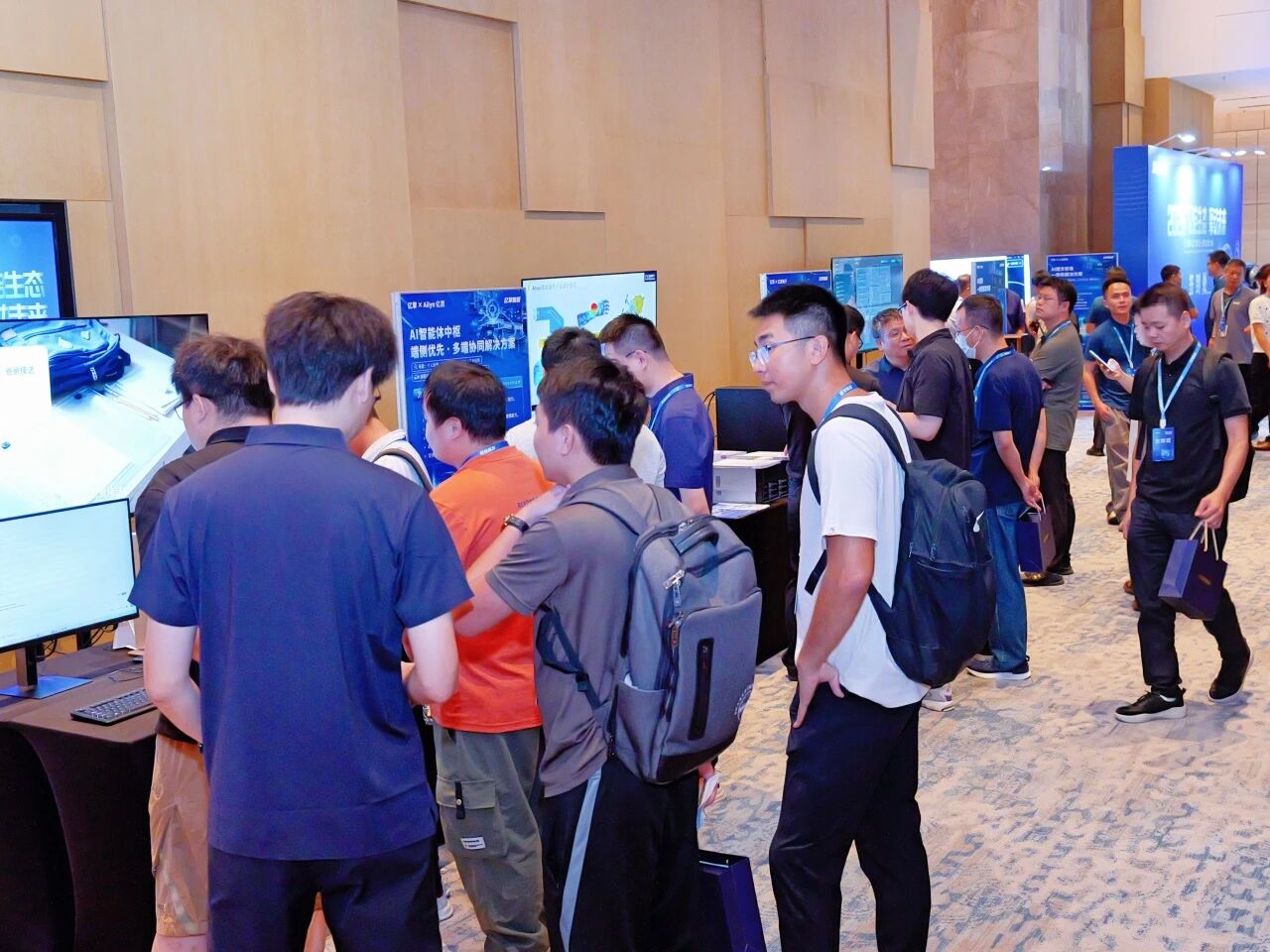
- Nine exhibition zones showing how AI infrastructure can support practical industry applications.
A Shared Vision for AI Infrastructure
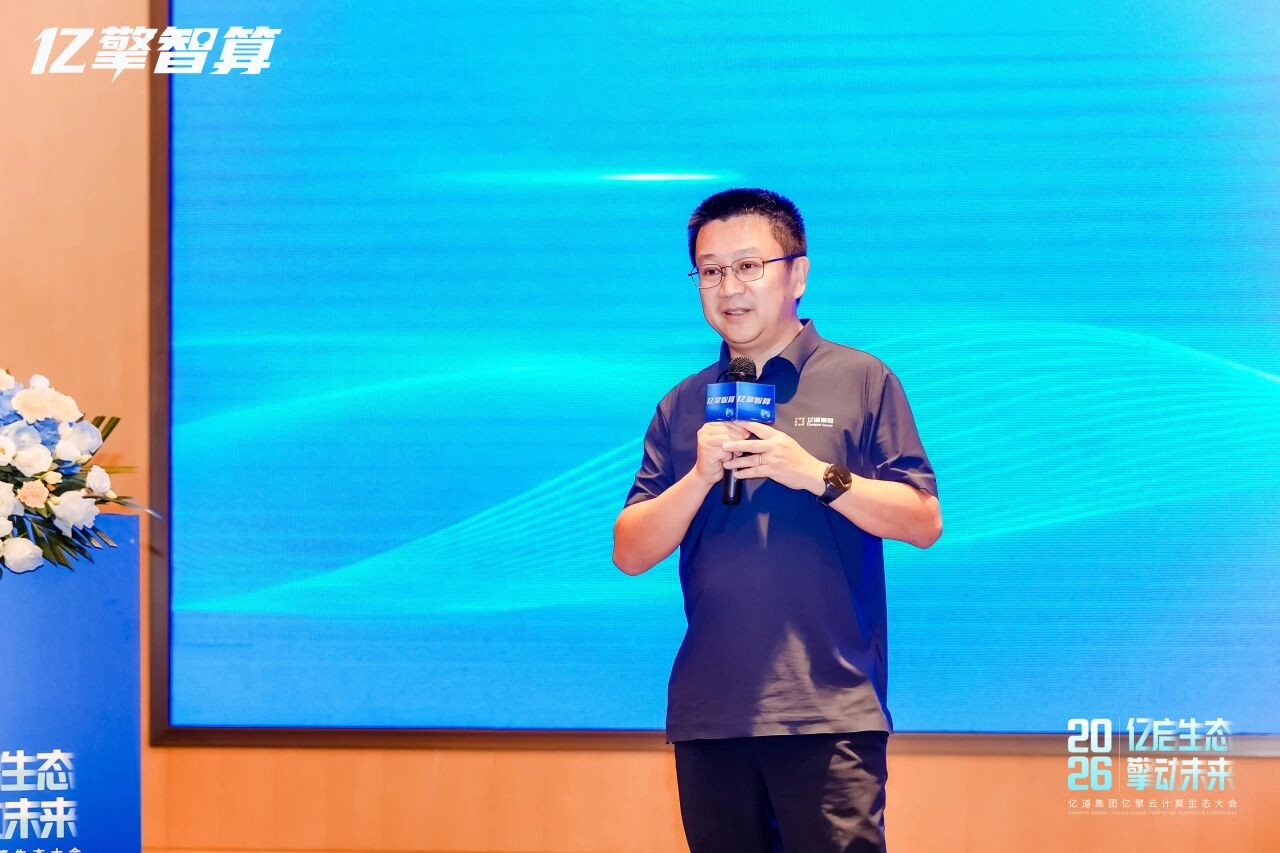
In his opening remarks, Emdoor Group Chairman Zhang Zhiyu welcomed the attendees and outlined the Group’s AI strategy. He described a shift in the product portfolio toward practical AI applications, closer hardware and software collaboration, and continued in-house development through the Emdoor Research Institute. He also discussed the Group’s expansion into servers alongside its existing device and edge computing capabilities.
Wang Yongbing, general manager of Yiqing Cloud Computing, noted that computing demand is moving beyond centralized procurement toward distributed deployment across industries. As inference workloads grow, customers face challenges in customization, delivery and total cost of ownership. He described Yiqing Intelligent Computing’s focus on multi-chip platforms and integrated hardware and software solutions for training and inference, with applications in healthcare, education, manufacturing, government and energy.
From Chips to Cloud, Edge and Device
Intel China technology executive Gao Yu discussed opportunities in the agentic AI era and the importance of placing the right computing resources where agents operate. His presentation covered a layered deployment model spanning AI PCs, workgroup edge AI, enterprise private clouds and large-scale AI computing centers. He also introduced Intel Xeon 6+ processors and Intel Arc Pro GPUs, alongside examples of hybrid inference combining local processing, private models and external APIs.
Tan Bin, a senior expert in Yiqing Intelligent Computing’s solutions department, presented a three-layer cloud–edge–device architecture designed to bring AI closer to the point of use:
- Central infrastructure: data-center resources for fine-tuning models in the 7B–200B range and serving larger models.
- Departmental and edge systems: 4U eight-GPU systems, 2U two-GPU systems and tower workstations for inference closer to applications.
- Desktop and device-level computing: edge computing boxes and mini workstations for quantized models and personal retrieval-augmented generation (RAG).
The proposed workflow connects central fine-tuning with model distillation, quantization and deployment. The product range presented included AI servers, general-purpose and storage servers, professional workstations, edge computing boxes and servers based on the Hygon C86 platform.
Two use cases illustrated the approach. In a hospital example presented at the conference, the average reporting time fell from 45 to 38.7 minutes, daily image-reading volume per physician rose by 30%, and the initial-screening missed-diagnosis rate fell by 22%. In a university smart-manufacturing laboratory example, the reported modeling cycle fell from three months to three weeks, while individual simulation time declined from 120 to 30 seconds. These results were presented as case-specific outcomes; actual performance depends on the workload and deployment.
Industry Solutions Developed with Ecosystem Partners
Intelligent manufacturing and education
Wang Tao of Anchaoyun discussed combining hardware infrastructure with hyperconverged software to manage computing resources, protect business operations and support heterogeneous cloud environments. In one joint manufacturing project, the partners described migrating existing VMware workloads without downtime while using disaster-recovery components to support continuity.
Chen Junfeng of 奥威亚 shared an AI education solution that uses classroom events and observation points to generate teaching-analysis reports. A jointly developed private-deployment architecture connects education applications, a cloud platform and hardware resources.
Healthcare and on-device AI agents
Zou Qiuyan of Jindu Biotech presented a medical AI application workbench for clinical documentation, teaching, patient education and operational analysis. The workbench has been adapted to the EM-BX014 AI Mini workstation for departmental deployment and can work with hospital servers as needed.
Emdoor Research Institute’s Zhao Hongrui introduced Ailyn, an on-device AI agent built around local-first processing, cloud assistance and coordination across devices. The presentation covered enterprise knowledge management, customer service and office applications, as well as personal and household use cases. The proposed ecosystem combines the Ailyn agent, interfaces for Emdoor Cloud, Emdoor Pay and Emdoor AI Hub, and partner applications.
Meetings and AI storage
Jin Liang of 北科瑞声 described an on-device meeting solution combining a 16-microphone array, a local speech engine and an intelligent platform. The system supports speaker separation, multilingual recognition and transcription, with meeting summaries generated locally.
FORESEE’s parent company, Longsys, presented an AI SSD approach for moving selected model data and KV cache from memory to storage. In the joint validation reported at the event, an EM-BX014 equipped with an AI SSD achieved a 92% increase in overall inference speed and a 54% reduction in warm-start response time for the stated Qwen3.6-35B-A3B workload. These figures reflect the reported test configuration and are not a guarantee of performance in other environments.
Nine Exhibition Zones, Nine Practical Perspectives
The conference also featured nine exhibition zones, giving visitors the opportunity to explore demonstrations and discuss deployment needs directly with solution teams:
- Ailyn on-device intelligence: an edge computing box and private NAS demonstrated connected tasks across personal, office and industrial scenarios.
- Industrial simulation: workstations pre-integrated with EDA and CAE software for engineering and simulation.
- AI rendering: GPU workstations and multi-GPU servers for interactive and batch rendering.
- AI media: editing, generation and color workflows brought together on a workstation.
- Intelligent healthcare: a departmental workbench for clinical records, teaching and patient education.
- AI meetings: speech capture, transcription, speaker separation and meeting summaries.
- Heterogeneous computing: server infrastructure presented for different GPU platforms and AI workloads.
- Intelligent manufacturing: hyperconverged infrastructure for workload migration and centralized management.
- Smart education: training and inference infrastructure supporting classroom analysis.
Building an Ecosystem for Practical AI
From chip platforms and system architecture to industry demonstrations, the conference emphasized a common goal: bringing AI computing closer to the work people do. Yiqing Intelligent Computing and its partners will continue to connect infrastructure with applications across factories, classrooms, healthcare facilities and workplaces.
Learn more about Emdoor Group’s edge AI ecosystem and explore our industrial computing products.
Interested in building practical AI computing solutions with Emdoor? Contact our team to discuss your project or ecosystem partnership.