


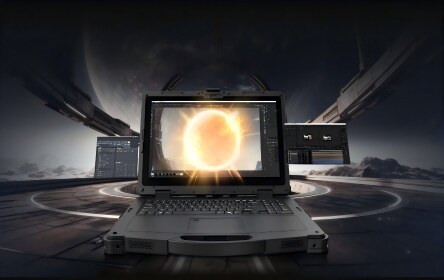




Standard platform
Select a validated device and accessory set
Use this route when an existing platform, published OS direction, and standard module package already fit the work.
Compare device families ↗

 16/17F, Emdoor Building, No.8 Guangke 1st Road, Pingshan District, Shenzhen


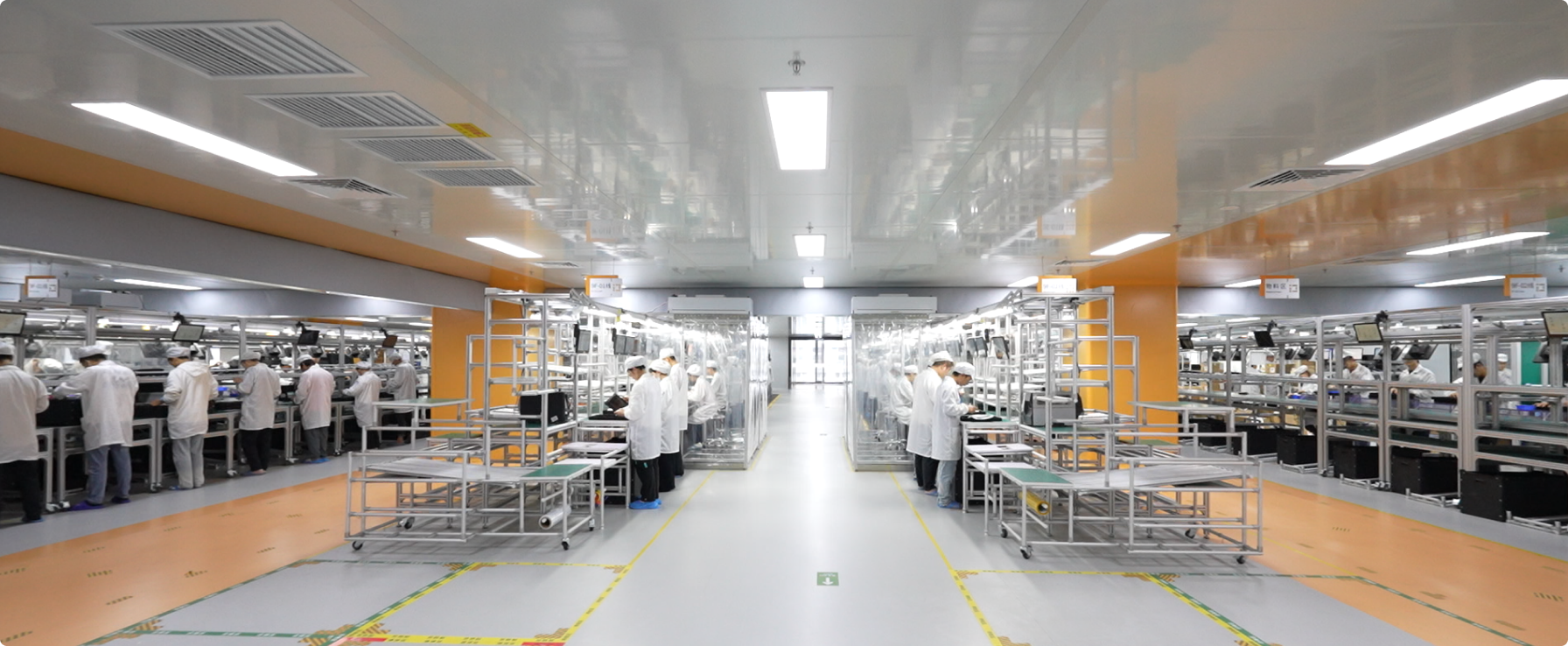
Emdoor customization connects standard rugged platforms with project-specific hardware options, software behavior, accessories, branding, packaging, and lifecycle delivery requirements.
The best customization route starts from the real deployment risk: environment, software stack, capture method, accessories, certification direction, quantity, and delivery rhythm.
Use this route when an existing platform, published OS direction, and standard module package already fit the work.
Compare device families ↗Use this route when the base device fits but the scanner, dock, mount, power, image, or accessory bundle needs review.
Review scope layers ↗Use this route when feasibility, sample validation, pilot release, branding, certification direction, or lifecycle planning affects success.
Discuss project scope ↗A project scope is useful only when the physical platform, software behavior, and delivery model are reviewed as one operating system.
Platform, screen, ports, scanner, NFC, RFID, camera, GNSS, battery, dock, mount, power, housing, and accessories.
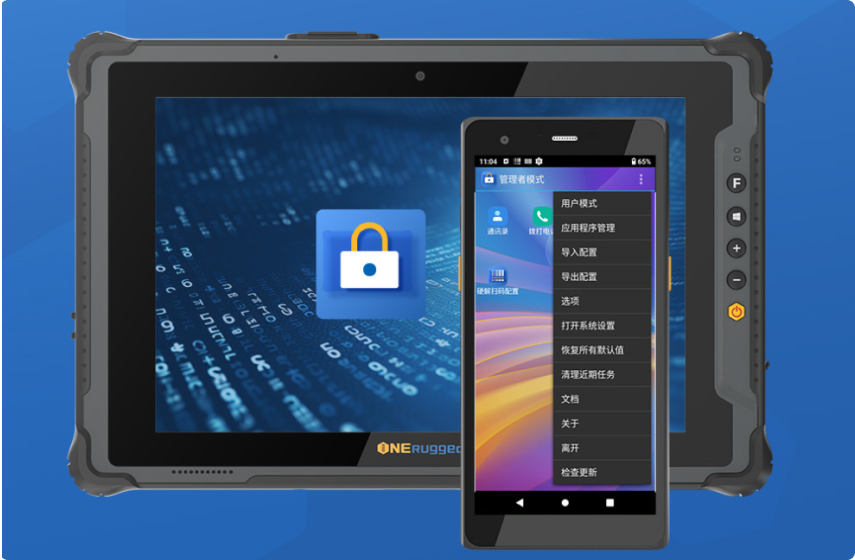
OS image, drivers, application preload, kiosk policy, key mapping, MDM, permissions, update control, and recovery behavior.
Branding, packaging, documentation, regional configuration, certification direction, quantities, timeline, support, and lifecycle.
Each gate produces an explicit decision, baseline, or risk list. The workflow prevents a sample from being mistaken for a production-ready project.
Environment, workflow, user, application, market, quantity, and commercial boundary.
Output: project briefPlatform fit, modules, interfaces, software, accessories, certification direction, and open risks.
Output: feasible scopeRepresentative hardware configuration, software baseline, accessory package, and test plan.
Output: sample baselineCompatibility, field workflow, reliability direction, user feedback, and controlled revisions.
Output: release decisionApproved configuration, quality controls, packaging, delivery, repeat orders, and support baseline.
Output: repeatable delivery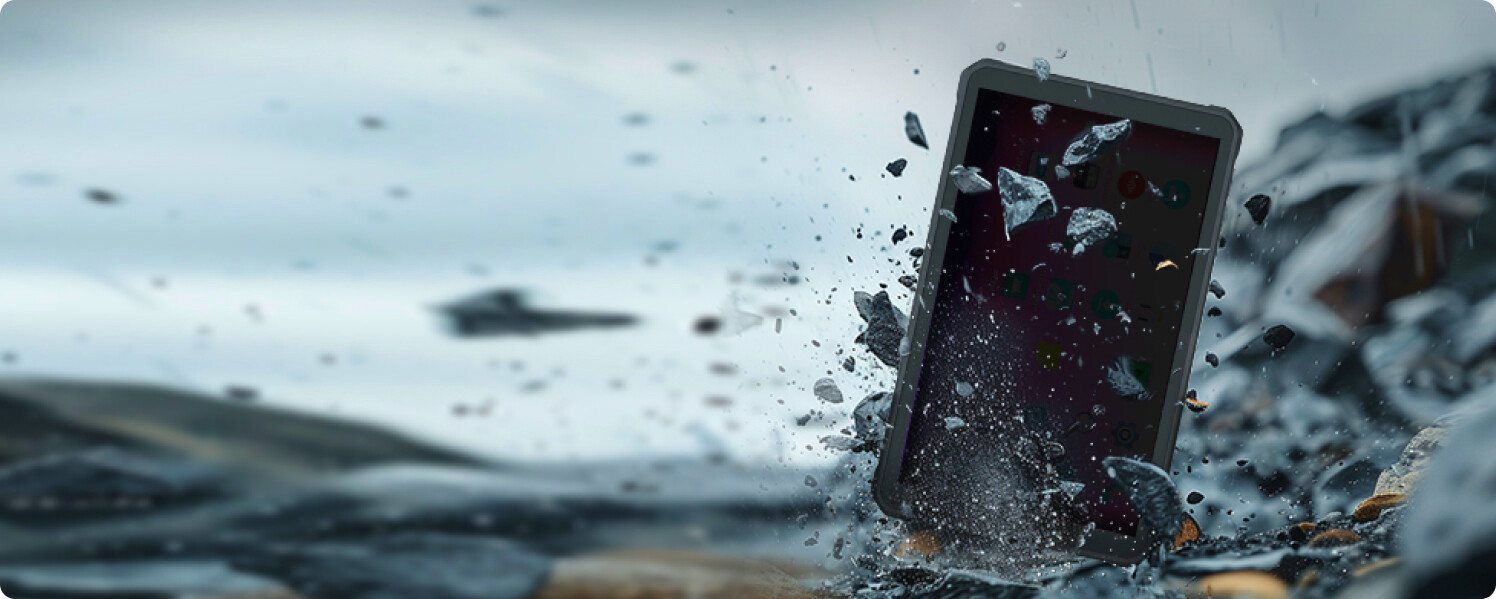 Representative configuration / validation direction
Protection claims are only one part of project risk. The representative unit should also reflect software behavior, modules, accessories, power, mounting, communication, and the target workflow.
A complete specification is not required at the first conversation. Clear application facts are enough to shortlist the platform and identify the configuration work.
Indoor, outdoor, warehouse, factory, vehicle, temperature, dust, water, vibration, and lighting.
User role, application, gloves, scanning, positioning, mobility, mounting, charging, and shift pattern.
Android or Windows, image, drivers, apps, permissions, kiosk, MDM, updates, and recovery.
Ports, scanner, NFC, RFID, camera, GNSS, LTE/5G, Wi-Fi, sensors, buttons, docks, and mounts.
Deployment country, language, charger, labels, documentation, packaging, and certification direction.
Sample, pilot and batch quantity, forecast, budget direction, decision stage, target date, and lifecycle.
The production baseline connects configuration, software, quality, packaging, documentation, and supply planning. This is where an engineering result becomes an operational asset.
Discuss repeat delivery ↗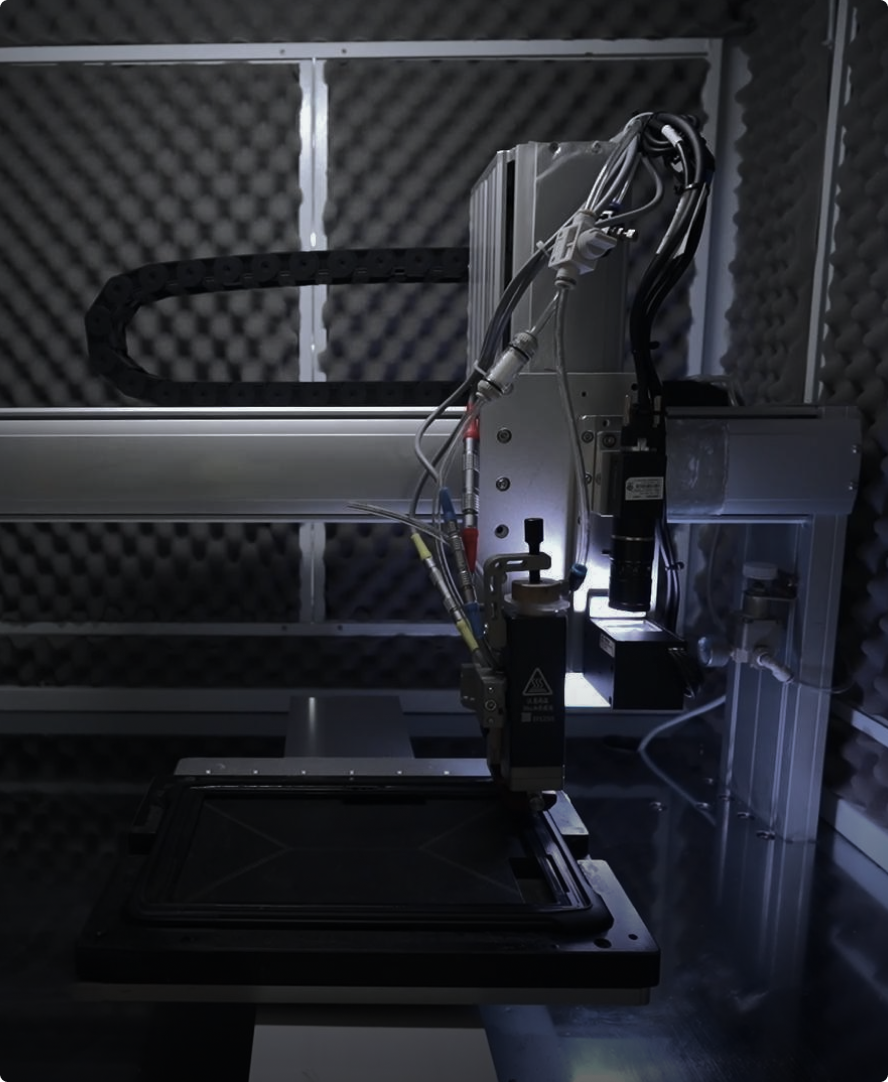
Start with the closest standard product family, then define which options need configuration for your project.
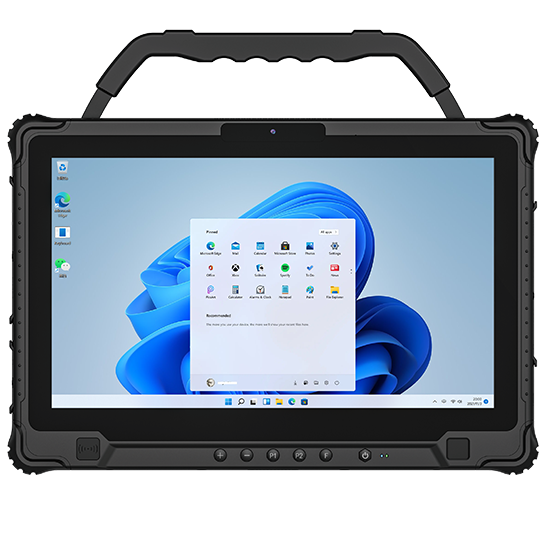
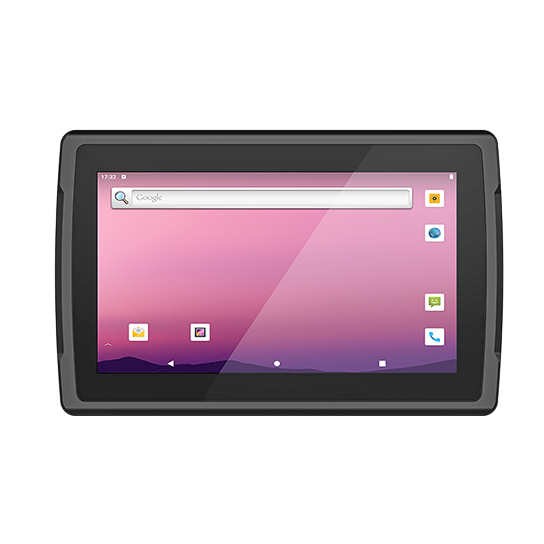
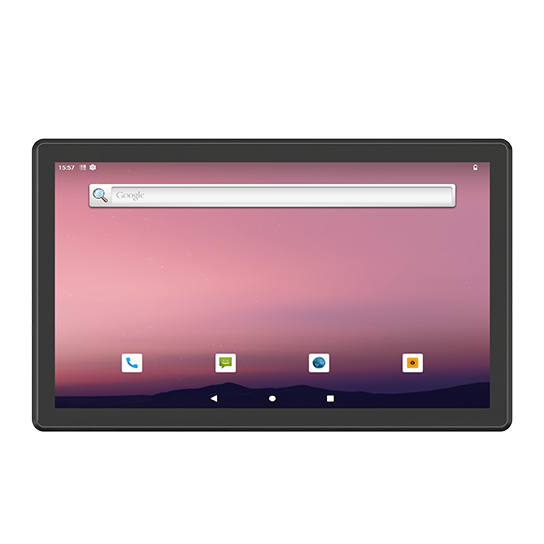
Use the nearest operating scenario to connect device selection, software control, accessories, validation, and delivery planning.

Help you manage equipment and staff, and conduct compliance inspections for efficient production.
View solution ↗
The transportation industry involves extreme weather and the complexity of the work scope across regions makes it difficult to manage in a unified way. There are also hidden dangers in the personal safety of industry personnel.
View solution ↗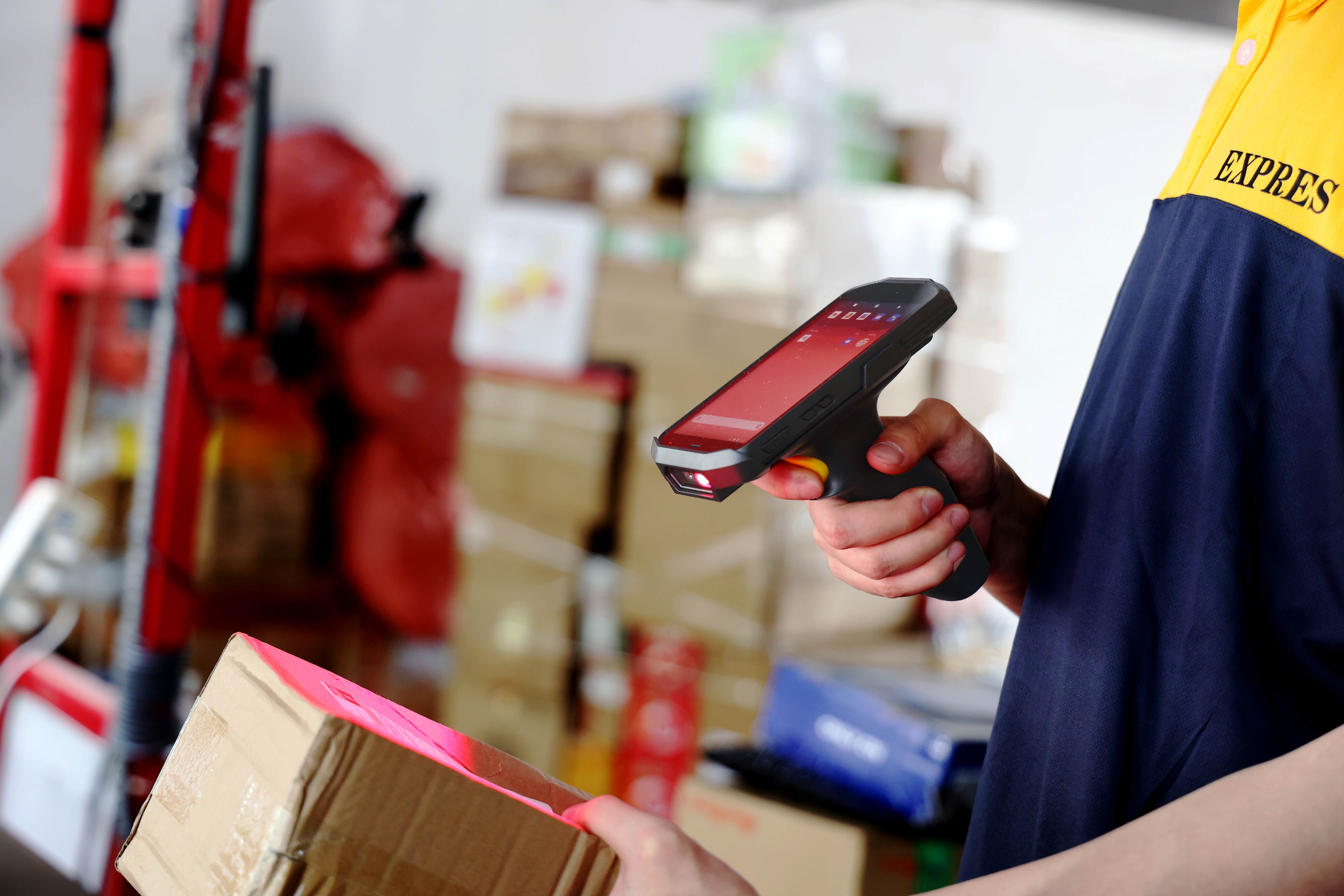
Emdoor’s rugged tablets transform warehouse item tracking with barcode scanning, RFID, GPS, and 4G connectivity, ensuring real-time visibility, accuracy, and efficiency. This article explores their features, applications, and benefits for modern logistics.
View solution ↗Share the environment, workflow, operating system, modules, accessories, market, quantity, timeline, and validation expectations you already know.
Clear inputs and stage expectations make feasibility, samples, quotations, and delivery easier to evaluate.